
What Are Non-Woven Bags? (NWPP / PP Non-Woven Explained)
Non-woven polypropylene (NWPP) bags explained: material, GSM, ultrasonic vs stitched, laminated finishes, printing options, and wholesale buying guidelines for retail and grocery procurement.
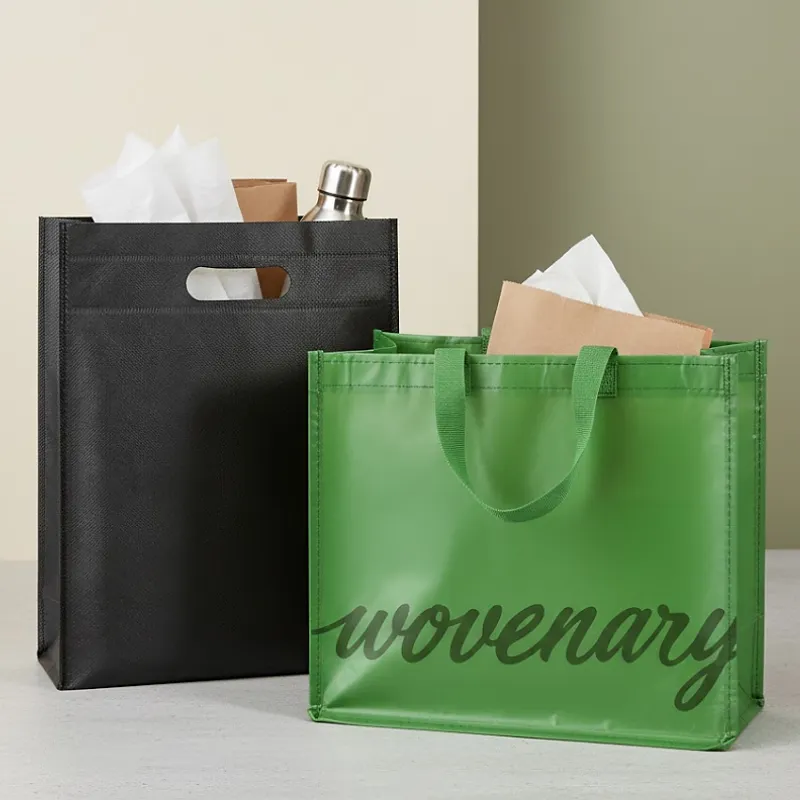
A non-woven bag is a reusable bag made from non-woven polypropylene (NWPP) — plastic fibers thermally bonded into a sheet rather than woven from yarn. They are the dominant reusable-bag format in retail checkout because the spunbond process produces fabric at 60-120 GSM weights for $0.45-$0.75 per unit at volume. This guide covers the material, construction, GSM bands, and printing options procurement teams need to spec a bag.
What is a non-woven bag?
A non-woven bag is a reusable bag made from non-woven polypropylene fabric (NWPP), created by bonding plastic fibers into a sheet instead of weaving yarns. Most non-woven shopping bags are used for retail checkout, grocery programs, events, and branded promotions where buyers need a balance of low unit cost and durability.
| Attribute | Spec |
|---|---|
| Material | Polypropylene (PP) |
| Fabric type | Non-woven (spunbond) |
| Common use | Retail checkout |
| Sourcing | Bulk MOQ-based |
Are non-woven bags plastic?
Yes — most non-woven bags are made from polypropylene (PP), which is a type of plastic. However, they are designed for repeated use, which can reduce waste compared with single-use packaging when used properly in retail circulation.
How non-woven polypropylene bags are made
Non-woven fabric is produced by forming polypropylene fibers into a web and bonding them into a sheet using heat and pressure. Bags are then converted using either ultrasonic bonding or stitched construction.
Ultrasonic bonding. Uses vibration plus pressure to fuse fabric seams without stitching. Benefits: fast production speeds, clean and modern look, ideal for high-volume checkout styles.
Stitched construction. Uses sewing for reinforced seams and higher strength. Benefits: better for grocery programs, handles and gussets hold load better, premium reusable option.
Common types of non-woven bags
- W-cut / T-shirt bags (ultrasonic). The grocery checkout standard with built-in handles. Best for grocery checkout and convenience stores.
- D-cut bags (ultrasonic). Die-cut handle opening for a clean, simple look. Best for retail boutiques and event tote programs.
- Stitched box / gusset bags (stitched). Heavy-duty construction with bartack-reinforced handles. Best for heavier grocery programs and premium reuse.
- Laminated non-woven bags (BOPP). BOPP laminated finish for premium look/feel and wipeability. Best for premium retail and stronger print finish.
What does GSM mean for non-woven bags?
GSM means "grams per square meter" and is a standard way to describe non-woven fabric weight. Higher GSM generally means thicker, more durable fabric.
| GSM range | Best for | Notes |
|---|---|---|
| 60-80 GSM | Promo + light retail | Lowest cost per unit |
| 80-100 GSM | Standard checkout | Balanced cost + strength |
| 100-120 GSM | Grocery reuse programs | Stronger feel, better longevity |
| 120-140 GSM | Premium reusable bags | Often stitched / gusseted |
Actual strength depends on bag size, handle style, and seam construction — not GSM alone.
Ultrasonic vs stitched non-woven bags
| Feature | Ultrasonic | Stitched |
|---|---|---|
| Best for | Checkout + promo | Grocery + premium reuse |
| Unit cost | Lower | Higher |
| Lead time | Faster | Slightly longer |
| Durability | Medium | Higher |
| Look/finish | Clean + modern | Structured + reinforced |
Printing options for custom non-woven bags
- Flexographic (flexo). Great for high-volume runs, clean logos and text, fast turnaround.
- Screen printing. Great for bold brand marks, limited colors, stronger ink coverage.
- Lamination finish. Great for premium presentation and improved durability of the printed surface.
For the full imprint method landscape across substrates, see our tote bag printing methods guide.
Are non-woven bags recyclable or biodegradable?
Recyclable? Sometimes — polypropylene recycling depends on local facilities and collection systems. Check with your local recycling program for #5 PP acceptance.
Biodegradable? Typically no, because polypropylene is plastic. However, non-woven bags are designed for multiple reuses, which can reduce single-use waste in high-volume retail distribution.
Where non-woven fits — and where it doesn't
Non-woven PP is the right answer for high-volume retail checkout, grocery reuse programs, conference tote-bags, and budget-controlled promotional giveaways at MOQ 1,000+. It is not the right answer for premium gifting (canvas wins on tactile feel) or for short-horizon disposable handouts in jurisdictions where the lower GSM grade does not meet reusable-bag legal definitions.
For the comparison against single-use plastic, see non-woven vs plastic bags. For the step-up to canvas, see canvas vs non-woven vs cotton.
Ready to source non-woven bags?
Get factory-direct pricing with landed-cost estimates tailored to your requirements. Wovenary ships from Pakistan-direct supply at MOQ 1,000+ with full DDP landed quotes.
— Annem Zaidi, Tariff & Compliance Lead, Wovenary
Frequently asked questions
What are non-woven bags made of?
What does NWPP mean?
What is a W-cut non-woven bag?
What is a D-cut bag?
What GSM should we choose for grocery programs?
Can non-woven bags be printed with a logo?
What is the MOQ for custom non-woven bags?
Are laminated non-woven bags stronger?
Have a program to scope?
Send your specs and quantity for a free, all-in DDP quote. We'll confirm artwork needs and next steps with you.
Get a free quote