
Restaurants, cafés & catering
Custom bags for restaurants & food service
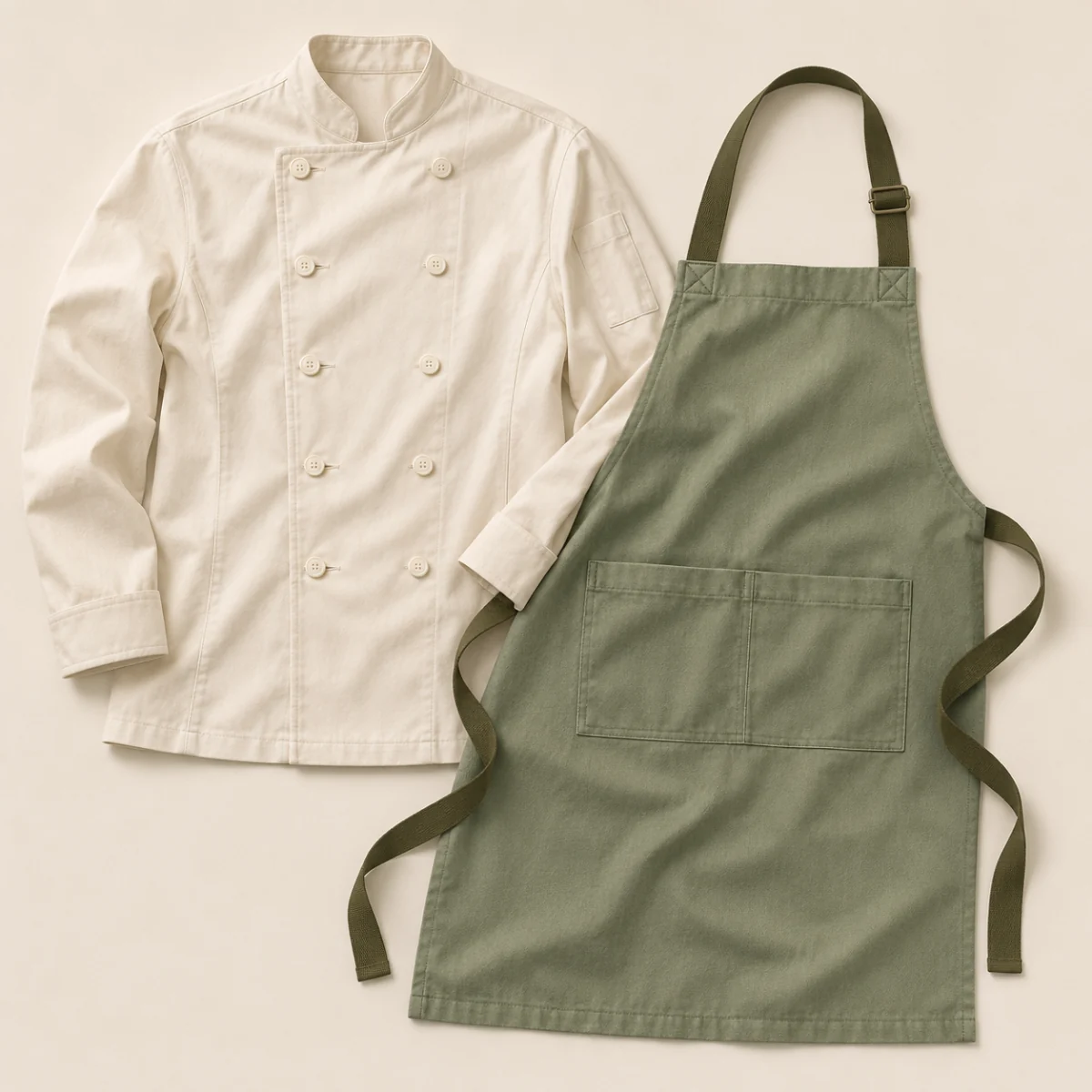
Fit the bag to the handoff: packed meals, catering or retail merchandise. Plan chef jackets, aprons and teamwear separately around fit, fabric and care.
At a glance
- First sample test
- Your real containers, filled as intended
- Carry matters
- Base, handle and closure together
- Separate the uses
- Food carry and retail merchandise
Start with the pack and the selling location
Measure the full stack of containers, not only the footprint of one box. Test the base, opening and handles with the intended load and check whether the contents tilt during a normal handoff.
Local checkout and takeout requirements differ. Confirm the rules for the precise location and use with the responsible team; a reusable label is not a blanket exemption.
What will your bag carry?
Choose a use to see what to check and tailor this page’s quote buttons.
Check the filled containers as one pack
- Measure the complete stack and footprint.
- Test the base and handle with the load.
- Confirm the material and local requirements.
Make the tote useful after the visit
- Choose a size customers can reuse.
- Approve the artwork at actual print size.
- Plan a pilot and track real demand.
Specify the trays, load and handling
- Measure the largest tray and stacked height.
- State any liner or insulation requirement.
- Test a sample using your packing method.
Define contact, cleaning and documentation needs
Tell us whether the bag holds closed food containers, touches food directly or has a cleaning requirement. Those are different specifications and should be discussed before selecting a fabric or liner.
NSF/ANSI 51 concerns food equipment materials. Do not assume a bag has that certification because it is described as non-woven or food-grade. Request the exact documents your program requires and confirm their scope for the quoted item.
Treat a customer reusable as its own product
A bag sold at the counter needs a design, price and purpose customers understand. Compare a sample with the typical purchase and think about where it will be used again.
Use a pilot to measure demand and feedback. Calculate the delivered order cost, sales and unsold units rather than assuming a universal retail margin or daily sell-through.
Keep multi-location replenishment clear
For a restaurant group or franchise system, use a common specification, artwork version and receiving schedule. Record how many bags each location uses and the amount of storage available for cartons.
Confirm which logos or sizes vary, the quantity split and whether the order ships centrally or to each site. Review stock before placing a reorder and allow the confirmed production and transport time.
Test the full catering load
The brief for an insulated catering or delivery bag should include the tray dimensions, stacked height, expected load, liner and cleaning requirements. Check the base and grip with the intended packing method, and ask which tests or evidence your program needs.
Do not infer a temperature-holding time from a bag photo or fabric name. Approve the complete specification against your operational requirements and check the sample with the intended packing method.
What to share for your quote
- Takeout, catering or retail use and the full container dimensions
- Expected load, closure, cleaning and any material documentation needed
- Order quantity, artwork, locations and receiving deadline
Frequently asked questions
What bag types can a restaurant request?
Takeout carry bags, larger catering totes and branded retail reusables serve different purposes. Begin with the container sizes, load and handoff.
Does a reusable bag automatically meet local bag rules?
No. The applicable requirements depend on location and use. Confirm the exact construction and program with the responsible team before ordering.
Can I assume a bag is NSF certified?
No. Identify the standard and documentation your operation requires, then confirm coverage for the exact quoted material and finished item.
How quickly can a restaurant program be delivered?
Share the receiving date, quantities and approval process. Sampling, materials, production and transport determine the schedule; the quote confirms feasibility.
Can several restaurants share an order?
Provide a specification, artwork variants and quantities by location. Confirm the minimum split, carton labels and whether deliveries are central or separate.
How should we estimate the return on selling reusable bags?
Use the delivered order cost, planned selling price, realistic sales and remaining stock. Include fees and program costs and test demand before assuming a return.