
How Custom Packaging Turns First-Time Buyers Into Repeat Customers
The psychology of unboxing, brand loyalty through packaging, and how a $2 bag creates $20 in perceived value. Design strategy for boutiques.
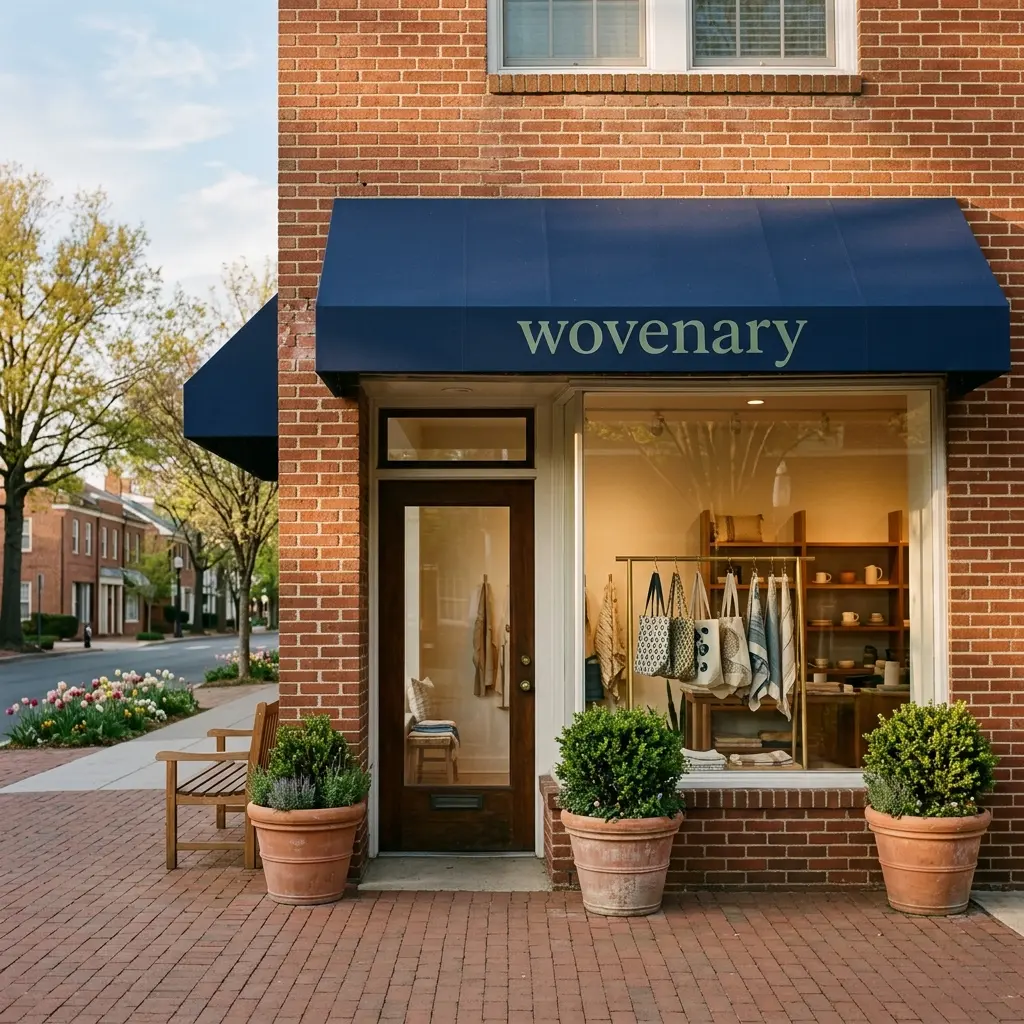
Premium packaging is not an expense — it is a margin multiplier. A $3 custom bag drives an estimated $15-20 in perceived value lift, generates 300+ brand impressions per bag per year, and converts 40% more customers into repeat buyers. This is the boutique playbook for turning a paper sleeve into a profit center.
The $2 bag that creates $20 of value
The math on premium packaging compounds across three levers: perception, retention, and word-of-mouth. None of them are accounting fictions — each shows up as real margin on the next 12 months of statements.
The ROI equation in a single line: $3.50 production cost → $15+ perceived value lift → 300+ free impressions → 4.3× return on investment. Premium packaging is the cheapest customer-acquisition channel a boutique runs.
The 5 touchpoints of boutique packaging
Every element of packaging is a moment to reinforce identity. Five touchpoints in the order the customer experiences them:
- The bag. First impression, foundation of the experience. Material (canvas, non-woven, organic), color, logo placement, handle style. Wovenary's specialty.
- Tissue paper / wrapping. Sensory surprise. Coordinated colors, branded patterns, crinkle texture. Creates anticipation and social media appeal.
- Brand sticker or seal. Visual cohesion. Logo sticker on tissue, embossed seal, branded tape. Small detail, massive impact on perceived quality.
- Thank-you card or insert. Personal connection. Handwritten note, discount code for next purchase, invitation to follow social. Builds loyalty.
- The unboxing moment. Social media trigger. All four touchpoints combine into an Instagram-worthy moment. Your packaging becomes user-generated content.
Wovenary covers touchpoints #1 (primary) and #2 (optional). We specialize in premium branded bags and supply tissue paper options. You manage the card, seal, and overall narrative.
Design that sells: what works for boutiques
Four design principles that turn packaging into profit:
Minimalist logo placement. Let the material speak. An embossed logo in one corner or a subtle screen print feels expensive and intentional. Oversized logos feel cheap. Sweet spot: 2-3 inch corner logo. Debossing on dark canvas. Screen print on light materials.
Color psychology, matched to brand personality. Earth tones signal organic and artisan. Bold colors for streetwear and youth. Black and gold for luxury. Pastel for wellness and beauty. Test with PMS color swatches before commitment.
Size matters — bigger usually wins. Oversized bags get reused for groceries and weekend trips, generating more impressions. Standard totes get forgotten. 16x14x5 inch is the sweet spot: large enough to hold weekend purchases, fits in car cup holders.
Seasonal rotation drives collectibility. Holiday bags, spring collections, limited editions in 200-unit runs. Customers collect them. Creates FOMO. Collectors return to buy complete sets.
Instagram-ready packaging
Design bags customers photograph and share without being asked. Four design choices that change the photo math:
- Contrasting colors that pop in photos. Avoid muddy or muted tones. Test color combinations on your phone camera before approving production.
- Interior surprises. Colored tissue, branded paper liner, special ink inside. Customers photograph the inside as well as the outside.
- Hashtag or handle subtly printed on the bag. Customers tag you when they post. Generates organic reach without prompting.
- Flat-lay friendly dimensions. 16-18 inch width is optimal for Instagram square crops. Handles that lay flat for photography.
The data backs it. 72% of consumers say packaging influences purchasing decisions. 40% share photos of attractive packaging on social media. When you design your bag, imagine it photographed with an iPhone — bright backgrounds help bags stand out, matte finishes photograph better than glossy.
How to brief your manufacturer
The difference between getting what you imagined and getting a disappointment is in the brief. Four lists:
What to send. Vector logo files (.AI or .EPS only, never JPG); exact PMS Pantone codes, not RGB; reference photos of bags you admire and print methods you love.
What to specify. Dimensions in inches (width, height, depth); material spec (canvas weight, organic cotton grade, non-woven GSM); print method (screen print, digital, embossing, embroidery); handle spec (webbing style, length, color).
What to ask for. Physical samples before committing — hold it, feel it, photograph it. Color proofs (screen prints can shift; approve before mass production). Production timeline with exact dates, factory capacity, and rush options.
Red flags. Won't provide samples before production. Won't share factory info or transparency. Requires 5,000+ MOQ with no negotiation. Can't provide references from other boutiques.
Wovenary's canvas-tote MOQ starts at 100 units with free stock samples. We provide color proofs, physical samples, and transparent factory communication. No surprises.
Brief us on your packaging program
Start with a test batch of 100 units. Get samples in hand in 2-3 days from Bethesda, MD. Gather customer feedback. Build the brand loyalty that drives repeat purchases and social-media virality. Bigger contracts roll from there — the first 100 units are the proof of concept.
— Ibrahim A Samad, Co-founder, Wovenary
Frequently asked questions
How much should a boutique spend on custom bags per unit?
What's the ROI of premium packaging vs. plain bags?
Can I order small test batches before committing?
What design principles separate boutique packaging from generic retail?
Why is bag size such a big driver of brand impressions?
What should I send my manufacturer to avoid disappointment?
Have a program to scope?
Send your specs and quantity for a free, all-in DDP quote. We'll confirm artwork needs and next steps with you.
Get a free quote