Schools & fundraising
School fundraiser tote bags, with a clear plan
Start with a bag your community wants and a budget that allows for unsold stock. Plan the artwork, sample and receiving date before you order.
At a glance
- Before committing
- Check interest and an approved sample
- Budget for
- All bags ordered, including unsold stock
- The planner below
- An example, not a price or sales forecast
Choose a product your community will use
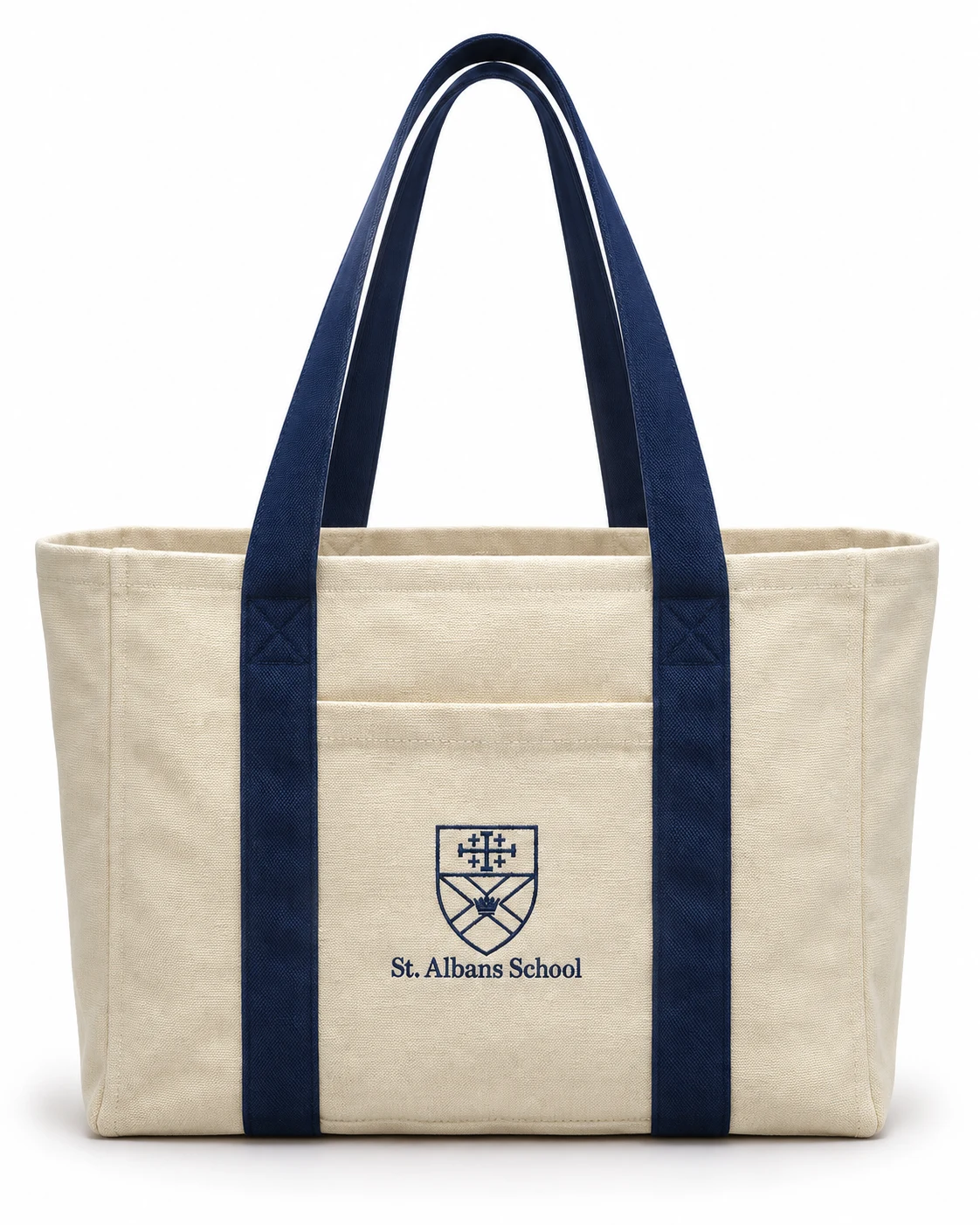
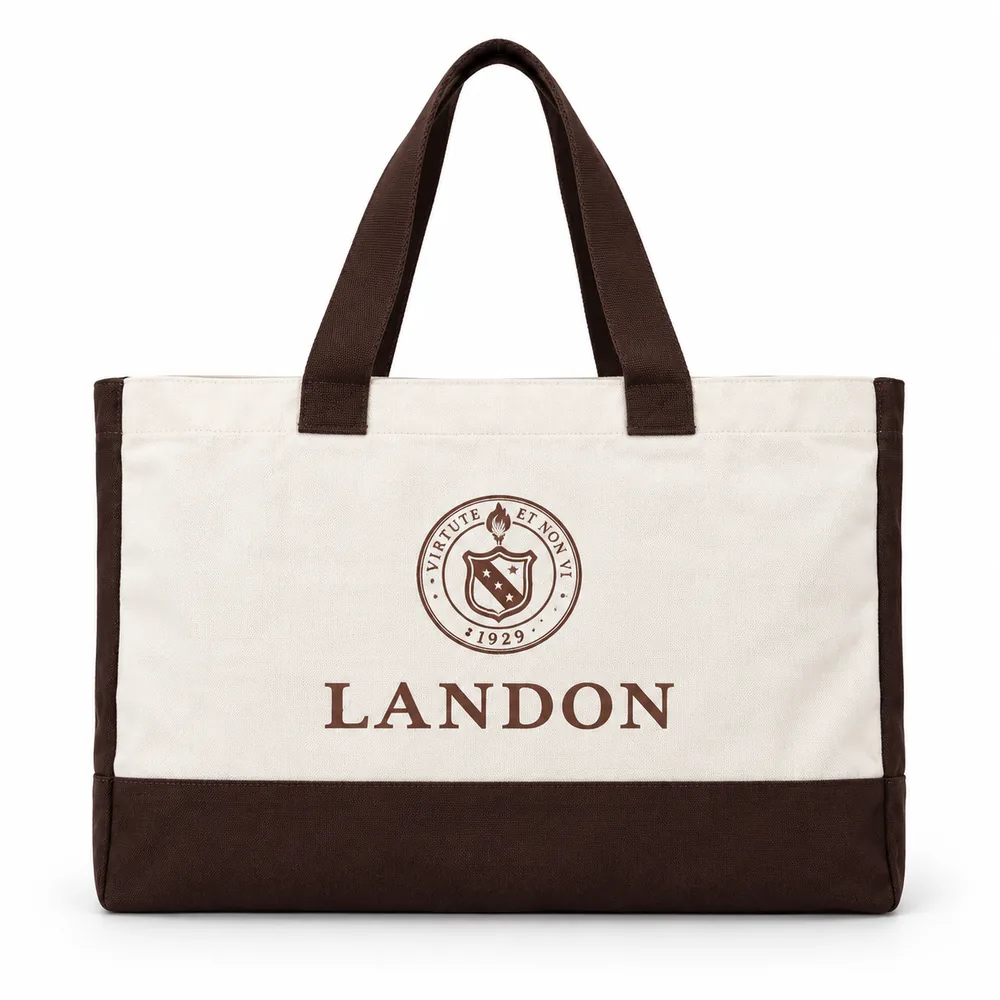
A tote can carry a school identity into ordinary daily use. Choose a size and handle that suit your likely buyers, and collect feedback before assuming how many will sell.
A finished school project can help the committee discuss artwork and finish. It does not establish the price or financial outcome for another school. If the design is intended for children, identify the applicable product requirements with your purchasing team.
Work back from the receiving date
Set dates for artwork approval, sample review, production, transport, checking the delivery and distribution. Assign one committee contact who can consolidate feedback and approve each stage.
The schedule depends on the actual construction and delivery route. Confirm the milestones in the quote instead of treating an example 12-week plan as a promise. If you collect pre-orders, explain your delivery assumptions and refund process clearly.
- Before the order
- Check interest, budget, artwork and minimums.
- Before production
- Approve the sample, specification and proof.
- Before the event
- Receive, count, check and organize distribution.
Try a realistic fundraiser budget
Fundraiser profit or net proceeds depend on actual sales and the full program cost. Use a delivered purchase cost that includes the bag and its agreed decoration, freight and duties. Add your other expenses. The planner charges for every bag ordered, including stock you do not sell.
The starting figures below are hypothetical. They are not Wovenary pricing or a prediction of demand. Change the sales assumption to see how much the result depends on sell-through.
Fundraiser budget planner
Hypothetical USD example. Enter your own costs and sales assumption.
Delivered cost includes the bag and agreed decoration, freight and duties. Add fees and other expenses under program costs. The calculation buys every bag in the order.
- Bags sold / remaining
- 240 sold / 60 remaining
- Sales revenue
- $4,320
- Total entered costs
- $1,950
- Estimated net proceeds
- $2,370
- Sales to cover entered costs
- 109 bags
Example: selling 240 of 300 bags leaves $2,370 after the entered costs.
This is a planning calculation, not a quote or a sales forecast. Include all applicable fees, taxes and expenses in your inputs.
Make approvals and distribution simple
Use authorized school artwork and nominate one final approver. Check the logo at actual print or stitch size, spelling, colors and placement before production.
Record who takes payment, who holds stock and how orders reach families. If demand is uncertain, compare a pre-order plan or a smaller first run within the chosen product’s minimum. Keep the approved specification for the next cycle.
What to share for your quote
- School or PTA, quantity, intended buyers and your sales plan
- Authorized logo, design reference and sample approval contact
- Budget, receiving address and the date stock must arrive
Frequently asked questions
How much could our PTA raise?
Use the delivered cost, selling price, realistic sales and other program expenses. The planner illustrates the arithmetic and includes unsold stock; it does not forecast fundraising results.
What is the minimum order for a school fundraiser?
The minimum depends on the product and quantity split. Share your target quantity and design so the exact build can be confirmed.
Can parents buy individual bags from Wovenary?
This guide plans a bulk school or PTA order. Agree who will collect parent payments and distribute bags. Any separate direct-to-parent arrangement must be confirmed.
What if our committee has no finished artwork?
Send authorized logos, wording and a reference. The quote will confirm the artwork assistance, costs and approvals needed before production.
Can we use pre-orders to estimate demand?
A pre-order plan can help you understand demand. Set clear dates, minimum-order assumptions, payment handling and refund arrangements before collecting orders.
What if some bags do not sell?
The purchase cost of those bags still belongs in the budget. Model lower sales, plan stock storage and decide whether later events or an approved reorder design can use the remaining inventory.