
Eco-Friendly Retail Bags for Boutiques: Canvas, Jute & Organic Cotton Compared
Compare eco-friendly bag materials for retail: organic cotton canvas, jute, recycled non-woven PP, and muslin. Learn sustainability benefits, compliance requirements, and sourcing.
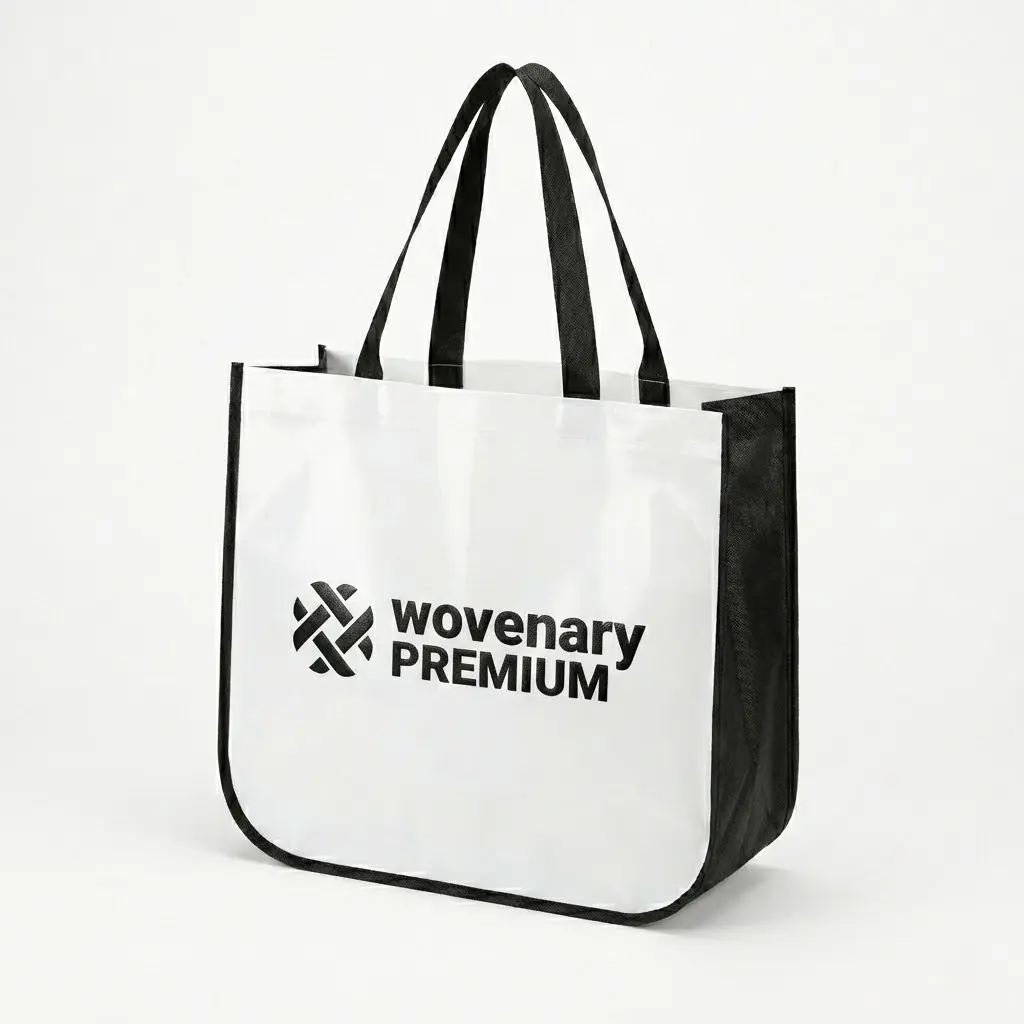
73% of consumers are willing to change purchasing habits for environmental impact, and Mid-Atlantic bag bans have turned "eco-friendly packaging" from a marketing flourish into a compliance line item. This guide compares the four materials boutique retailers actually shortlist — organic cotton canvas, jute, recycled non-woven polypropylene, and cotton muslin — by carbon footprint, durability, cost per year of use, and which certifications matter.
The decision framework
For boutiques, three questions resolve the material call:
- What is your average sale price? Sub-$30 retail → recycled non-woven. $30-100 retail → muslin or canvas depending on item size. $100+ retail → organic cotton canvas, period.
- What is your sustainability narrative? "Premium and biodegradable" → organic cotton canvas. "Rustic and low-impact" → jute. "Circular and recycled" → recycled PP. "Elegant unboxing" → cotton muslin.
- Do you ship into bag-ban markets? If yes, default to canvas or 100+ GSM stitched non-woven. Muslin and lightweight jute can fall short of reuse thresholds in strict jurisdictions.
Material comparison grid
| Attribute | Organic Cotton | Jute | Recycled PP | Muslin |
|---|---|---|---|---|
| Biodegradable | Yes | Yes | No | Yes |
| Recyclable | Partial | Partial | Yes | Partial |
| Carbon footprint | Moderate | Low | Low | Moderate |
| Water footprint | High | Low | Low | Moderate |
| Durability | 5+ years | 3-4 years | 2-3 years | 2-3 years |
| Bag-ban compliant | Yes | Yes | Yes | Varies |
| Key certification | GOTS | Fair Trade | ISO 14001 / GRS | GOTS |
Why sustainability sells
Sustainability isn't just ethics — it's profit. Four numbers from consumer research and regulatory data: 73% of consumers shift purchasing habits for environmental impact, eco-friendly packaging lifts perceived product value 15-25%, reusables generate 300+ brand impressions per unit over their lifetime, and $50+ fines per violation apply in bag-ban jurisdictions.
Wovenary supply chain
Pakistan: organic cotton canvas with ethical factory auditing and full labor transparency. 5-8% tariff versus 20-32% from China. Leather goods and premium accessories are produced in Pakistan as well, with verified ethical labor practices and full audit transparency.
Every order ships with pre-shipment quality inspection, third-party factory audits, and digital chain-of-custody documentation. For exact landed cost on your spec, use the tariff calculator.
Cross-jurisdiction distribution note
If your distribution crosses state lines, spec to the strictest rule. Canvas and 100+ GSM stitched non-woven clear all four Mid-Atlantic regimes. Cheaper ultrasonic-welded non-woven typically does not. The cost delta between compliant and non-compliant non-woven is small enough to make the routing decision a non-decision: always source the compliant version.
Brief us on your eco-bag program
Tell us your average sale price, target volume, and where the bags will be distributed. We will sample the top two material candidates against each other at your actual spec so you can compare in hand before committing the run.
— Annem Zaidi, Wovenary
Frequently asked questions
Which eco-friendly bag material has the lowest carbon footprint?
Are non-woven PP bags really eco-friendly?
Can I get organic certified cotton bags?
What certifications should I look for in sustainable bags?
How do eco-friendly bags compare in cost to regular bags?
Do customers actually care about eco-friendly packaging?
Have a program to scope?
Send your specs and quantity for a free, all-in DDP quote. We'll confirm artwork needs and next steps with you.
Get a free quote