
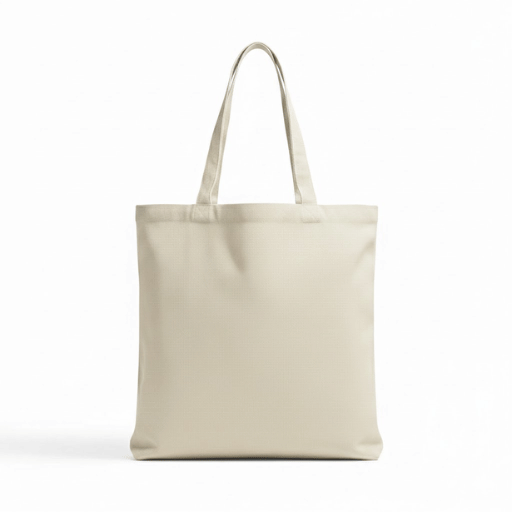
100% Cotton Tote Bag Procurement Intelligence
Cotton vs. canvas vs. blend — the fiber-identity decision
For brands whose positioning depends on natural-fiber identity (organic beauty, natural foods, sustainability-led DTC, heritage apparel), only 100% cotton is defensible. Polyester blends, even at low percentages, undermine the natural-fiber claim and create greenwashing risk. Canvas is a weight specification within the cotton category. "100% cotton tote" is the umbrella label; "canvas" is one weight band inside it. Specify both weight and fiber in any RFQ.
When to specify organic (GOTS-certified) vs. conventional cotton
For most programs, conventional 100% cotton is sufficient and defensible. Spec GOTS-certified organic when: (1) the brand publishes verified sustainability metrics, (2) end buyers are sensitivity-tested (organic beauty, premium natural foods), (3) ESG procurement requires third-party certification. Cost premium is $0.80-$1.60 per unit; MOQ rises to 1,000 because organic fabric lots are dedicated. Below that threshold, conventional cotton with water-based ink and compostable hardware is the right call.
Imprint method matters more for cotton than for canvas
On cotton tote programs, imprint method is part of the brand narrative, not just a technical choice. Water-based screen print is the only imprint that credibly pairs with a natural-fiber pitch — soft hand, no PVC, zero plastic film on the fabric surface. Plastisol screen print (the commodity default) technically works but contradicts the natural-fiber positioning. For sustainability-led programs, always specify water-based; the $0.05-$0.10 per-unit premium is a rounding error against the brand-consistency value.
Muslin, twill, and canvas: use case by weight
Cotton muslin (5-6oz) is the lightest and cheapest — right for farmers market, craft fair, wedding favors, and budget eco programs where reuse count is low. Cotton twill (7-8oz) is the middle ground — mid-weight with diagonal weave, appropriate for everyday retail tote programs with moderate reuse. Cotton canvas (10oz+) is the heavyweight choice — correct for high-value retail, premium ESG gifting, and programs expecting 100+ reuses. Each weight owns a specific use case; trying to compromise across them typically under-serves every one.
Cotton fabric weights × use cases × pricing
| Fabric Weight | Best Use Case | Reuse Expectation | Unit Price @ 1,000 |
|---|---|---|---|
| 5oz muslin | Wedding favors, craft fair, drawstring | 10-30 uses | $1.15 - $1.60 |
| 7oz twill | Everyday promo, mid-market retail | 30-80 uses | $1.50 - $2.20 |
| 10oz canvas | Retail GWP, heritage, reusable programs | 100-200 uses | $2.00 - $2.80 |
| GOTS 10oz organic | ESG, premium natural, sustainability | 100-200 uses | $2.80 - $3.80 |
DDP landed at 1,000-unit runs with single-color water-based screen print. Add $0.80-$1.40 for embroidery, $0.40-$0.80 for multi-color.
When organic cotton pays off: program fit scorecard
| Program Attribute | Conventional Cotton OK? | Organic / GOTS Worth It? |
|---|---|---|
| Retail promotional, no ESG mandate | Yes | No |
| Retail with published ESG goals | Possibly | Yes (documentation value) |
| Natural-beauty or natural-foods retail | No | Yes (brand-fit critical) |
| Corporate gifting without sustainability focus | Yes | No |
| Corporate ESG-led gifting | No | Yes (defensibility) |