
Dust Bags for Luxury Brands 2026: Drawstring, Flap, and Custom Printing
Luxury dust bag buyer's guide — drawstring vs flap closures, satin / cotton / non-woven materials, custom printing methods, sizing for handbags shoes and jewelry, and 2026 factory-direct pricing.
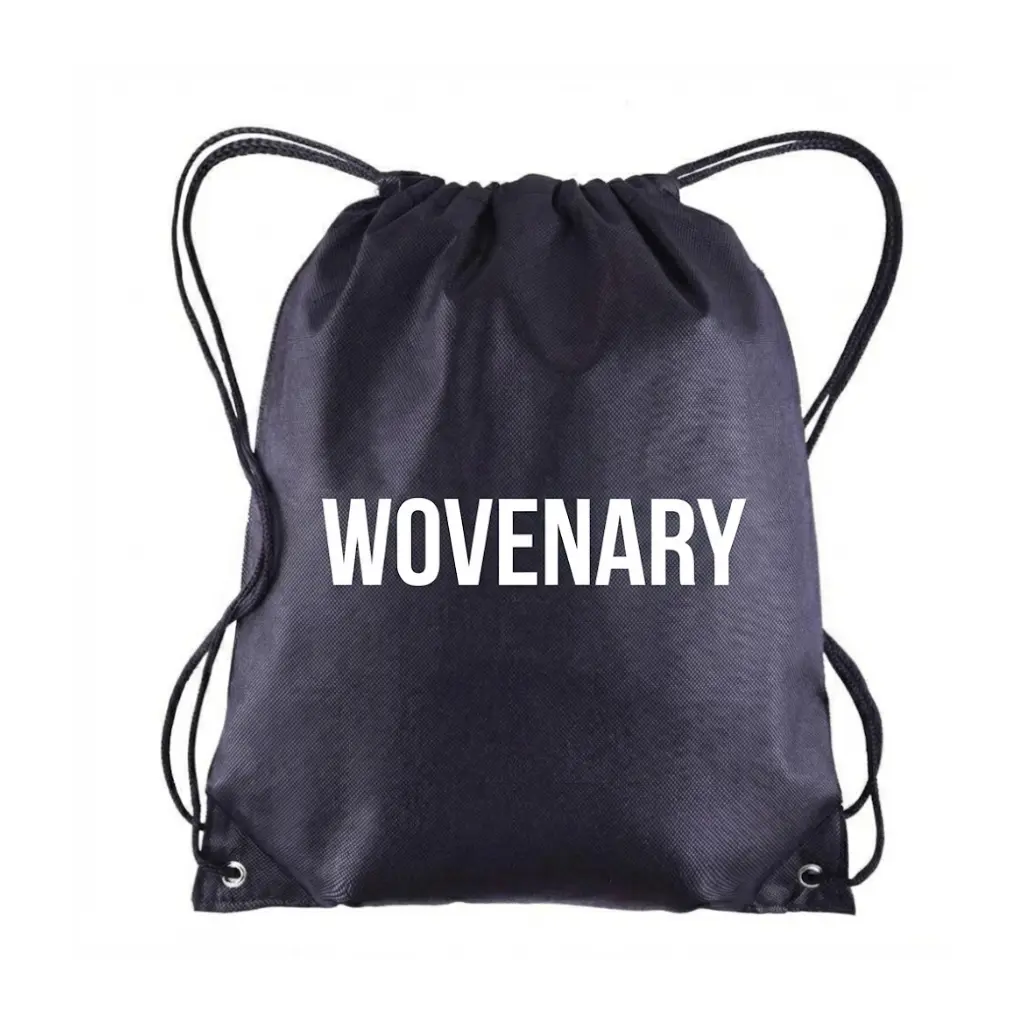
Luxury packaging is increasingly where retail brand equity lives. The handbag, shoe, or fine-jewelry purchase is the product; the dust bag, the tissue, the ribbon, the box — those are the moments the recipient actually touches, photographs, and posts. A factory-direct dust bag program at the right spec is one of the highest-leverage packaging investments a luxury brand can make.
Closure types: drawstring vs. flap vs. envelope
Drawstring closure — fabric cord through a channel at the opening. Visually clean, easy to open and re-close, the standard for handbags, shoes, and most fashion accessories. Upgrade paths at small per-unit cost: custom cord colors, branded aglets (metal or plastic cord tips), and double-cord construction.
Flap closure — over-top fabric flap closing with magnetic snap, velcro, or button. Fuller dust containment for fine jewelry, watches, and small leather goods. More structured presentation than drawstring; $0.20-$0.40 per unit premium.
Envelope closure — a flap without a separate closure, often used for small catalog or passport-style items. The simplest and cheapest; rare in luxury programs.
Sizing: the most under-considered spec decision
Size matters more than most buyers realize. Under-sized dust bags crease the item or fail to close; over-sized dust bags slip and present poorly. The right size is the smallest that accommodates the item with 1-2 inches of clearance per dimension.
Typical luxury size sweet spots:
- Small handbag / clutch / jewelry box: 9x12 to 11x14 inches
- Medium handbag / wallet sets: 12x14 to 14x16 inches
- Large handbag / weekender: 16x18 to 18x22 inches
- Shoes (most SKUs): 14x10 inches
- Shoes (boots / athletic): 16x12 inches
- Watches / small leather goods: 6x8 to 8x10 inches
- Fine jewelry (single pieces): 4x5 to 6x8 inches
For multi-SKU programs, spec 3-4 sizes covering the full catalog rather than a single compromise size. Modest complexity, meaningful presentation gain.
Imprint methods
The right method depends on material, artwork complexity, and positioning. Screen print is the cheapest and most durable default. Heat transfer / DTF handles full-color or photographic artwork. Sublimation is polyester-only and produces all-over pattern prints. Foil stamping adds $0.30-$0.60 for metallic-foil logos on satin. Embroidery works on cotton flannel; less common on satin where stitches show harshly. Woven labels sewn into the hem are the highest-end option short of full sublimation.
For the broader imprint decision framework across bag categories, see our tote bag printing methods guide.
2026 pricing at quantity bands
Representative pricing for a medium satin dust bag (~12x14 inches) with 1-color screen-printed logo, factory-direct from Pakistan:
| Quantity | Satin | Cotton Flannel | Non-Woven |
|---|---|---|---|
| 500 units | $1.20-$1.80 | $1.60-$2.40 | $0.75-$1.15 |
| 1,000 units | $0.95-$1.45 | $1.30-$2.00 | $0.55-$0.90 |
| 2,500 units | $0.75-$1.15 | $1.05-$1.65 | $0.45-$0.75 |
| 5,000 units | $0.60-$0.95 | $0.85-$1.35 | $0.38-$0.62 |
| 10,000 units | $0.50-$0.80 | $0.70-$1.15 | $0.30-$0.50 |
Add-ons: custom cord color +$0.05, metal aglets +$0.08-$0.15, woven label +$0.20-$0.40, foil stamp +$0.30-$0.60, sublimation all-over pattern +$0.40-$0.80.
Procurement timeline
Luxury dust bag programs typically ship into seasonal retail calendars. Backward-schedule from the SKU launch date: RFQ and sample-kit approval 10-12 weeks out, artwork approval at 9 weeks, production 9-6 weeks out, ocean freight 5-2 weeks out, delivery week 1.
For SKUs launching in March (spring) or September (fall), the RFQ window is December and June respectively. Brands that compress this timeline typically air-freight, which adds $0.10-$0.20 per unit — small on a dust bag but adds up at 50,000-unit annual volume.
Brief us on your dust bag program
Share the SKUs the dust bag is packaging, quantities per season, closure and material preferences, and branding requirements. We'll review your requirements and follow up with a DDP landed quote, sample-kit recommendation, and size-set suggestion.
— Ibrahim A Samad, Co-founder, Wovenary
Frequently asked questions
What is a dust bag and why do luxury brands use them?
What is the difference between drawstring and flap dust bags?
Which material is best for a luxury dust bag?
How much does a wholesale dust bag cost per unit?
What is the MOQ for custom dust bags?
How should I size a dust bag?
Which printing method is best for dust bag logos?
Can dust bags be fully branded?
Have a program to scope?
Send your specs and quantity for a free, all-in DDP quote. We'll confirm artwork needs and next steps with you.
Get a free quote